
HMDD Compared to Other Streetwear Brands: In What Way Does It Stack Up?
By 2026, the streetwear world is jammed, noisy, and overrun by labels racing after one common hype wave. HMDD — an abbreviation of Happy Memories Don’t Die — has staked out a different lane by embracing sentiment, story-led emotion, and a subtler kind of confidence rather than attention-grabbing graphics. Its very name points to the brand’s underlying message: memories may dim, but the feeling attached to them shouldn’t. You can see that thinking in the construction, the color choices, and the way HMDD garments is marketed as memory you can wear rather than just merchandise. And that’s exactly why this piece sets out to show where HMDD stands next to rival brands, what an honest HMDD review really amounts to, and why shoppers searching for the best HMDD clothing keep coming back to go-to items like sweatpants and shorts.
A few distinct camps now make up the streetwear market: legacy skate-driven brands, branding-forward hype names, and smaller independents centered on narrative and community rather than scale. HMDD sits more aligned with the third camp. The brand isn’t pursuing collaborations with luxury houses or flooding drops every week. Instead, HMDDLA — the brand’s home base and creative identity rooted in Los Angeles — puts out collections in smaller, more considered batches. That scarcity isn’t manufactured hype; it’s a byproduct of a brand developing gradually rather than churning out volume to meet demand.
Brand Ethos: Sentiment vs. Noise
Most streetwear brands battle it out through visual noise — bold logos, collaboration tags, or seasonal gimmicks built to go viral for a short stretch. HMDD chooses instead to black hmdd tee lean on emotional depth. „Happy memories don’t die” is more than a slogan; it shows up printed, embroidered, and echoed across the collection as a through-line. As a result, the brand carries a cohesive identity that’s more instantly recognizable than labels that reinvent their entire aesthetic every season.
This kind of consistency carries more weight than shoppers realize. A customer who buys HMDD sweatpants in 2025 and returns for shorts in 2026 will notice an identical visual vocabulary — subdued color choices, soft graphic placement, and a leaning toward comfort-first shapes. Compare that to labels that pivot from streetwear to techwear to Y2K revival within twelve months, and HMDD’s steadiness becomes a real differentiator. In streetwear, loyalty tends to grow out of predictability like this, not novelty.
A community dimension exists too. HMDD markets itself through storytelling — photos from real customers, personal captions, and a sense that the pieces stand for a moment in time rather than a flex. Larger labels with thousands of SKUs struggle to maintain that intimacy. Leaner brands such as HMDD are still able to engage their audience directly, which shows up in the speed at which review feedback shapes upcoming drops.
Comparing the Products: Where HMDD Truly Stands Out
When customers inquire how the HMDD lineup compares, they’re generally sizing up three things: fit, fabric weight, and the value-for-money balance. Because HMDD sweatpants and HMDD shorts top the search charts, it looks like the brand’s bottoms are gaining more traction than jackets and add-ons currently. That’s consistent with broader 2026 streetwear trends, where relaxed-fit bottoms are outselling structured jackets across the category.
What follows is a general comparison of HMDD’s positioning against two common streetwear archetypes: the mass-drop hype name and the boutique independent label. This isn’t a brand-by-brand price war— it examines, structurally, how each category usually operates under current market conditions.
| Key Variable In Focus | HMDD | High-Output Hype Brand | The Indie-Spirited Independent Label |
|---|---|---|---|
| Release Rhythm | Few and far between, yet consistently considered | Following a near-constant cadence | Seasonal, sporadic |
| Who the Brand Represents At Its Core | Emotion-led narrative rooted in nostalgia | Emblem-centric, trend-chasing | Inconsistent, frequently inconsistent |
| The Categories At the Heart of the Line | Sweatpants, short bottoms, printed tops | Pullovers, outerwear, add-ons | Determined by whichever direction the designer leans toward |
| Audience Interaction | Direct, personal, review-responsive | Wide-reaching, distant | Close interaction, yet audience size stays small |
| Where Pricing Sits In the Market | Mid-range street fashion | Spanning a wide range, tilting premium much of the time | Moderate to high-end, variable |
Rather than crowning a lone champion within the streetwear space, this breakdown isn’t meant to do that — this space simply isn’t a single-template category. The point is to illustrate that HMDD’s playbook centered on calculated limited supply and emotionally driven branding positions it within a distinct competitive standing compared to labels that lean entirely on scale or entirely on niche appeal. HMDD takes its discipline from the boutique model while steering clear of the unpredictability that tends to plague smaller brands.
Silhouette, Material, and Everyday Comfort
Fit is what makes or breaks sweatpants and shorts. If they’re too fitted, they land in athleisure territory; too loose and they look like sleepwear. HMDD’s approach to both categories prioritizes a comfortable cut with a tapered line that is designed for everyday use rather than gym-only use. This distinction matters, given that plenty of streetwear sweatpants are designed with a fit that’s either too voluminous for layering or too restrictive for long stretches of wear.
The shorts lineup stick to a comparable approach, namely silhouettes spanning mid-thigh to knee that team up smoothly with graphic tees or roomy layering pieces. This matters in a 2026 climate where shoppers are moving toward items that bridge everyday outings and relaxed downtime, instead of keeping distinct wardrobes for every occasion. Reviewers frequently note that HMDD shorts hold their shape after multiple washes, which speaks to fabric weight and construction rather than just cut.
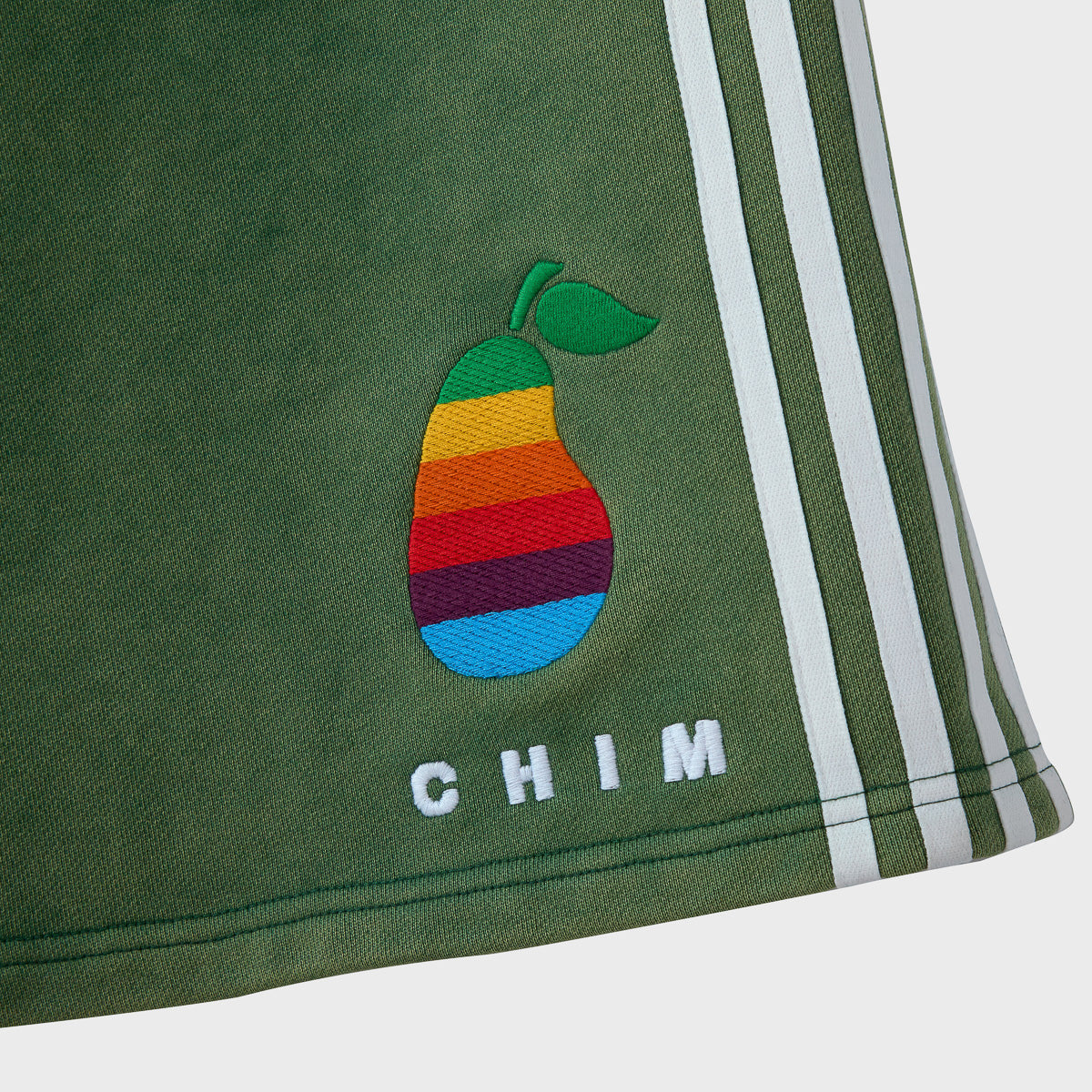
The brand’s restraint is what distinguishes it from mass-market competitors. A lot of trend-driven labels weigh down sweatpants with side stripes, oversized branding, or multiple logo placements. HMDD generally favors a minimal graphic approach — a small nod to „happy memories don’t die” instead of a dominant chest print. Such minimalism speaks to those wanting recognizable streetwear without the walking-billboard effect.
What Shoppers Really Report
As word of mouth, instead of sponsored promotion, spreads, query volume surrounding „HMDD review” has climbed consistently as more buyers find the brand. The consistent threads in buyer commentary are reasonably uniform: comfort scores high, fit matches to what a loose fit implies, and the meaning-driven branding either connects on a personal level or falls completely flat — few buyers sit in between. That polarization is actually a good sign in street fashion, where bland, safe design choices seldom creates a committed customer base.
Recurring complaints to watch for include infrequent restocks and narrower size ranges relative to bigger rival brands. Since HMDD doesn’t manufacture at the scale of more dominant streetwear brands, popular sizes in sweatpants and shorts can move out of stock quicker, which shoppers should factor in before expecting instant stock. This is a tradeoff, not necessarily a flaw — scarcity is part of what keeps the HMDDLA identity reading as considered rather than mass-market.
Overall, the reception around HMDD clothing tilts positive, particularly among buyers who prioritize meaning and comfort over heavy branding. Such a group is more niche than a brand aiming for widespread appeal, but it’s a more loyal one — the kind of customer base that returns for the next drop instead of jumping ship to whatever’s buzzing next month.
How HMDD Slots In in a 2026 Wardrobe
Streetwear shoppers building a 2026 rotation are more and more mixing brands rather than committing to one label head-to-toe. HMDD slots in effortlessly into that mix as the „comfort and meaning” piece — the sweatpants you reach for on a slow Sunday, or the shorts that pair with a heavier statement jacket from an unrelated label. It’s not meant to serve as an everything-brand, and that’s arguably its strength.
For customers weighing bottoms, HMDD sweatpants and HMDD shorts remain the clearest entry points into the brand. They showcase the approach to fit, the restrained branding, and the material quality that reviewers reference repeatedly. Anyone researching the best HMDD clothing to start with should consider these two categories as the foundational choice before exploring tops or special drops.
Ultimately, comparing HMDD to competing labels isn’t about declaring a definitive winner. It’s about acknowledging that HMDD fills a specific niche — sentimental, understated, and community-focused — that bigger and flashier competitors aren’t built to replicate. For customers who want streetwear that feels personal rather than mass-manufactured, that niche is exactly the point.